
Sale!
Original price was: $12.00.$8.40Current price is: $8.40.
- Sustainable materials, for a better tomorrow.
- Free and fast shipping worldwide
- 100% High-Quality Guarantee
- Your satisfaction is 100% guaranteed.

Blue Mountain
Flint / Flour Corn
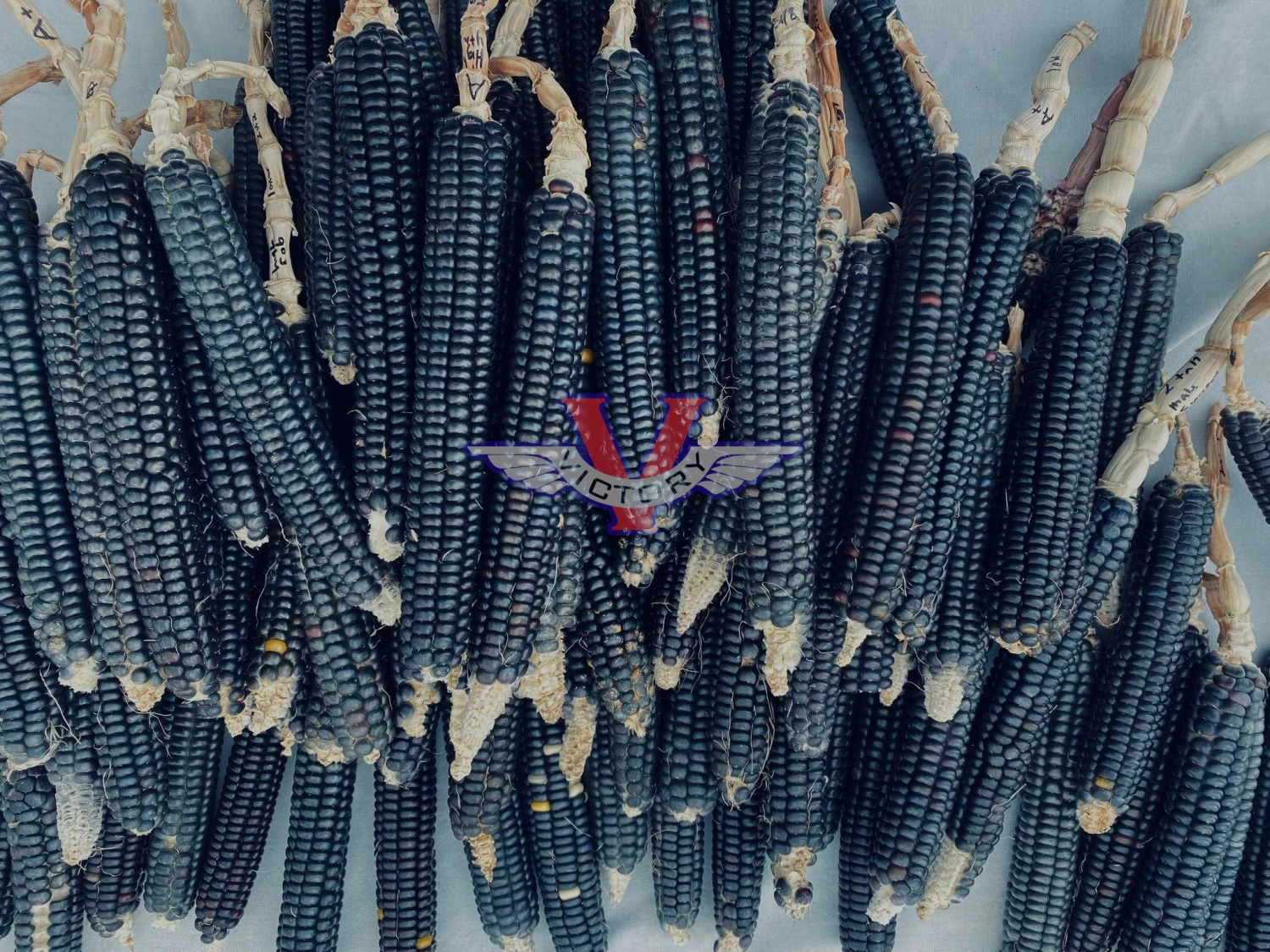
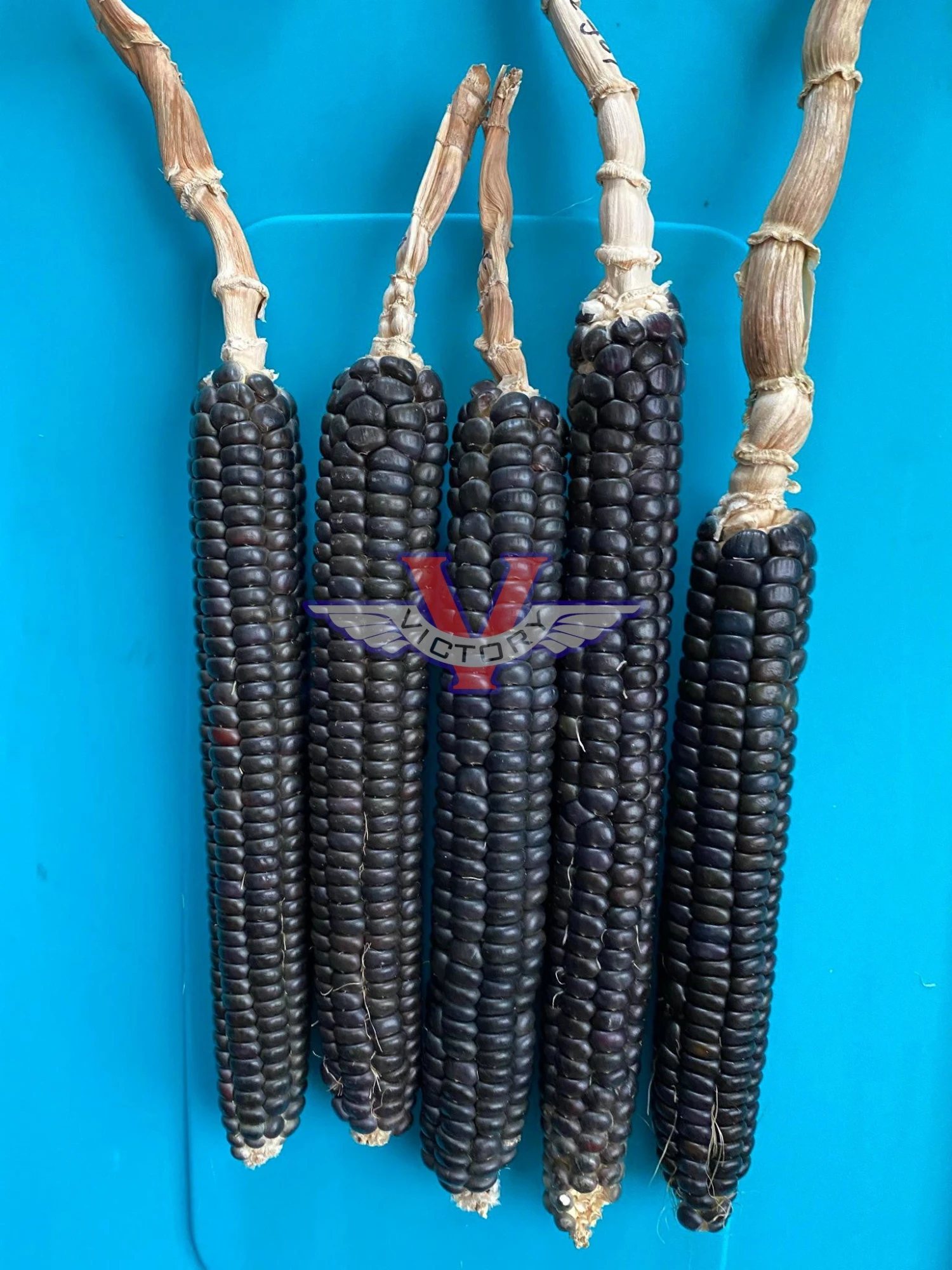
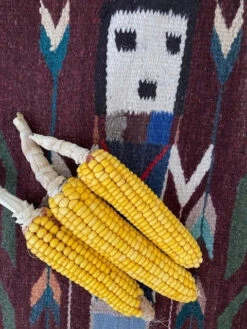
Dave has worked on Blue Mountain Flint for 35 years. It is 50% Painted Mountain, and has the same appearance and plant type.
50% of its ancestors come from 20 different New England Flint Corns. The purpose was to create a Flint Corn that was both blue and has a huge amount of genetic diversity in it. Because most of the heirloom corns are tragically inbred, anybody wanting to breed blue into their Flint corn for health purposes will be able to do so while expanding the genetic diversity of their project. I’m motivated to help other people in other places advance their own gene pools.
Most customers will just use it as it is. Flint starch is harder and is preferred for some foods, such as grits and polenta. The soft flour starch, on the other hand, is more useful for most other cooking purposes.
The harder starch of the Flint kernels are more resilient when planted in wet ground, and the kernels on the cob are less vulnerable to molding for people who live in rainy climates. People in the east prefer a Flint Corn, and so do some people on the rainy Oregon and Washington coast.
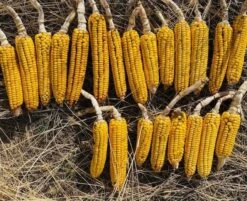
The cobs are predominantly long, narrow 8 row. This helps them dry fast.
Dave has only planted blue kernels from pure blue cobs for a long time, but occasionally different colors show up because of the diverse background and recessive genes in Indian corn. Some customers want perfection and uniformity of color. The occurrence of occasional color variations is not due to my lack of hard work and trying, but it is a salute to the genetic diversity of the population, which is a major goal in all of Dave’s breeding.
People wanting ancient heirloom indigenous varieties need to be educated to the fact that Indian corns have thousands of genes hiding in them, four different colors, and varied shapes. One cannot compete with modern hybrids for uniformity of cob appearance.
Both of Dave’s blue lines have a significant percent of kernels, with blue germs, which shoots the antioxidant power through the roof. He is selecting for more of this every year, so expect it to continue to advance every year.
The seed we sell is produced by its developer. Since 1970, Dave Christensen of Big Timber, Montana (Seed We Need®) has been continuously developing and refining this amazingly diverse corn variety. He has made it his life’s work. We purchase our seed stock directly from Dave so by purchasing these seeds for your own garden, you are not only helping to support the seed variety preservation work of the Victory Seed Company, you are directly supporting another small, seed preservationist.
50% of its ancestors come from 20 different New England Flint Corns. The purpose was to create a Flint Corn that was both blue and has a huge amount of genetic diversity in it. Because most of the heirloom corns are tragically inbred, anybody wanting to breed blue into their Flint corn for health purposes will be able to do so while expanding the genetic diversity of their project. I’m motivated to help other people in other places advance their own gene pools.
Most customers will just use it as it is. Flint starch is harder and is preferred for some foods, such as grits and polenta. The soft flour starch, on the other hand, is more useful for most other cooking purposes.
The harder starch of the Flint kernels are more resilient when planted in wet ground, and the kernels on the cob are less vulnerable to molding for people who live in rainy climates. People in the east prefer a Flint Corn, and so do some people on the rainy Oregon and Washington coast.
The cobs are predominantly long, narrow 8 row. This helps them dry fast.
Dave has only planted blue kernels from pure blue cobs for a long time, but occasionally different colors show up because of the diverse background and recessive genes in Indian corn. Some customers want perfection and uniformity of color. The occurrence of occasional color variations is not due to my lack of hard work and trying, but it is a salute to the genetic diversity of the population, which is a major goal in all of Dave’s breeding.
People wanting ancient heirloom indigenous varieties need to be educated to the fact that Indian corns have thousands of genes hiding in them, four different colors, and varied shapes. One cannot compete with modern hybrids for uniformity of cob appearance.
Both of Dave’s blue lines have a significant percent of kernels, with blue germs, which shoots the antioxidant power through the roof. He is selecting for more of this every year, so expect it to continue to advance every year.
The seed we sell is produced by its developer. Since 1970, Dave Christensen of Big Timber, Montana (Seed We Need®) has been continuously developing and refining this amazingly diverse corn variety. He has made it his life’s work. We purchase our seed stock directly from Dave so by purchasing these seeds for your own garden, you are not only helping to support the seed variety preservation work of the Victory Seed Company, you are directly supporting another small, seed preservationist.
Each packet contains 1 ounce, which is approximately 110 seeds.
| Size | 1 ounce, 4 ounces |
|---|
Be the first to review “Blue Mountain Flint Corn”
Related products
Sale!
Vegetables
Original price was: $12.00.$8.40Current price is: $8.40.
Sale!
Vegetables
Original price was: $12.00.$8.40Current price is: $8.40.
Sale!
Pumpkins
Original price was: $12.00.$8.40Current price is: $8.40.
Sale!
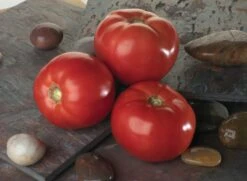
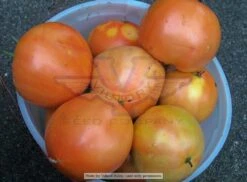
Tomatoes
Original price was: $12.00.$8.40Current price is: $8.40.
Sale!
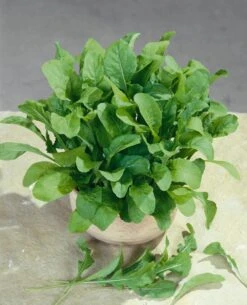
Salad Greens
Original price was: $12.00.$8.40Current price is: $8.40.
Sale!
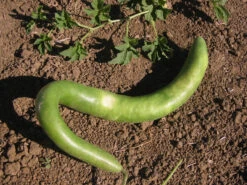
Vegetables
Original price was: $12.00.$8.40Current price is: $8.40.
Sale!
Original price was: $12.00.$8.40Current price is: $8.40.
Sale!

Original price was: $12.95.$9.07Current price is: $9.07.
Reviews
There are no reviews yet.