
Original price was: $12.00.$8.40Current price is: $8.40.
- Sustainable materials, for a better tomorrow.
- Free and fast shipping worldwide
- 100% High-Quality Guarantee
- Your satisfaction is 100% guaranteed.

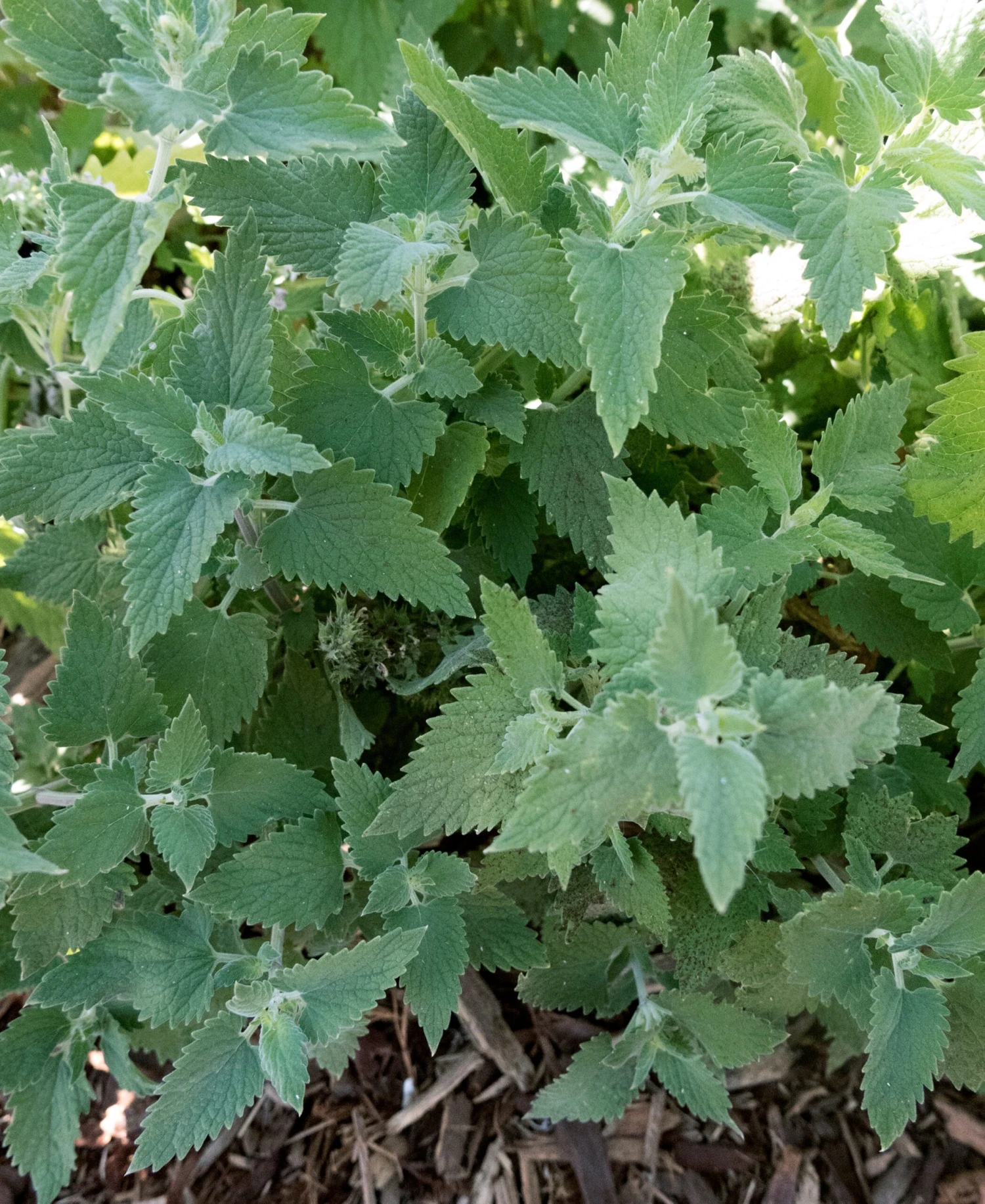
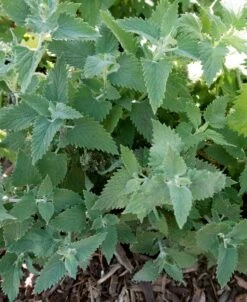
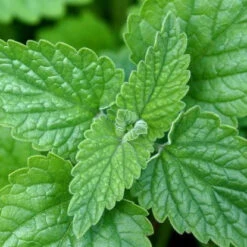
Nepeta cataria
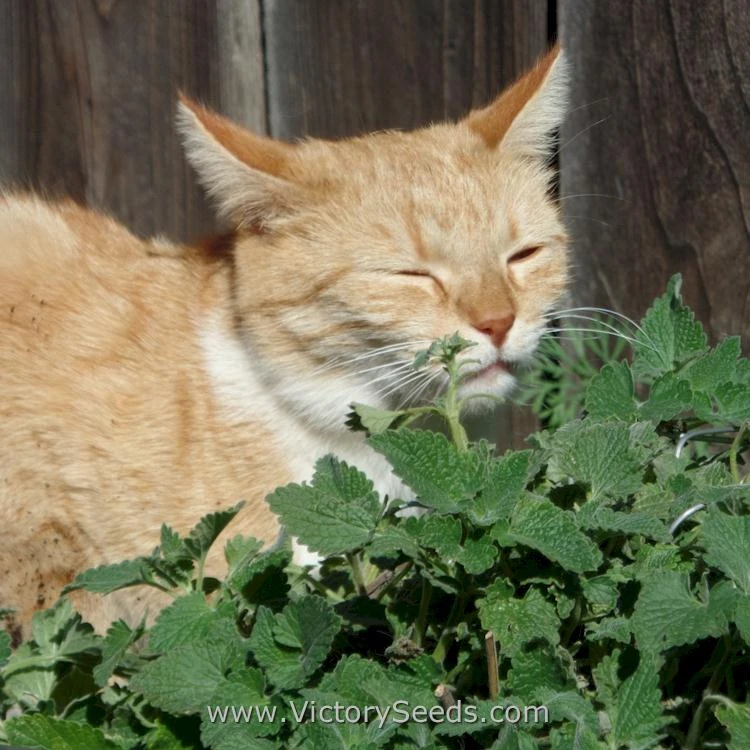
The leaves can be harvested, dried, and store in an airtight container is a cool, dark location to preserve freshness. It can then be sewn in small cloth bags to be used as play toys for your cats. One whiff and your cats will be hooked. They will have so much fun that they will likely wallow your young plants to death! Placing some form of protection around immature plants until they are well established is a good idea.
When picked or bruised, the plants exude a characteristic, aromatic scent that as mentioned, is quite attractive to most felines. Interestingly, if the plants are sown in situ or have come up as volunteers from the previous season, cats will pass them by. This observation confirms the age-old poem that goes:
If you sow it, the cats don’t know it.“
Each packet contains 0.25 gram, which is approximately 300 seeds.  Historically, catnip has been used medicinally for its carminative, tonic, antispasmodic, and mildly stimulating properties. The flowering tops, harvested in August, are the part of the plant used medicinally. The herb is never boiled, as this destroys its medicinal value, but is instead infused.
To make an infusion, use one ounce of catnip to one pint of boiling water in a glass or other non-metal, non-reactive vessel and keep covered for five minutes. Dosage is two tablespoons for adults, two to three tablespoons for children.[1]
A decoction was made out of catnip, to which honey was added for sweetness, to use to help alleviate coughs.[1]
It was also used in the form of a poultice or fomentation to relieve painful swellings.[1]
Be the first to review “Catnip”
Related products


Other

Other
Other
Other
Reviews
There are no reviews yet.