
Sale!
Original price was: $12.00.$8.40Current price is: $8.40.
- Sustainable materials, for a better tomorrow.
- Free and fast shipping worldwide
- 100% High-Quality Guarantee
- Your satisfaction is 100% guaranteed.
Lemon Balm
Melissa officinalis
Melissa officinalis
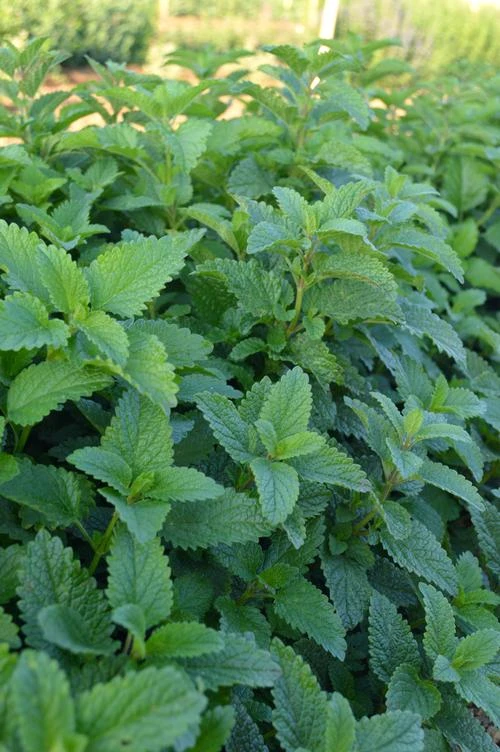
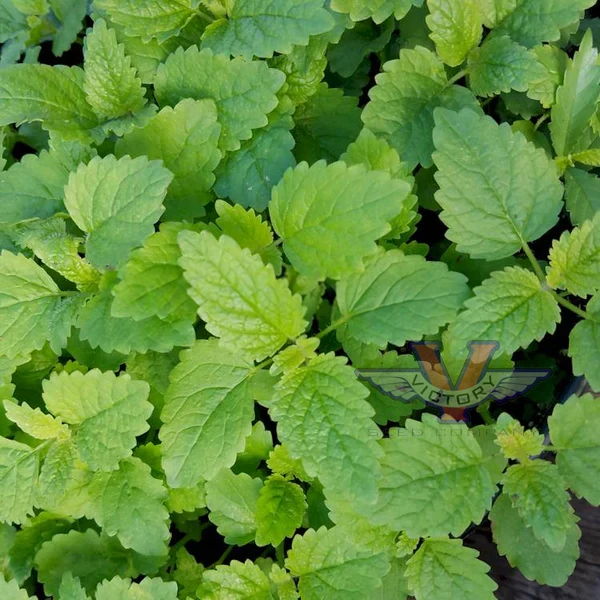
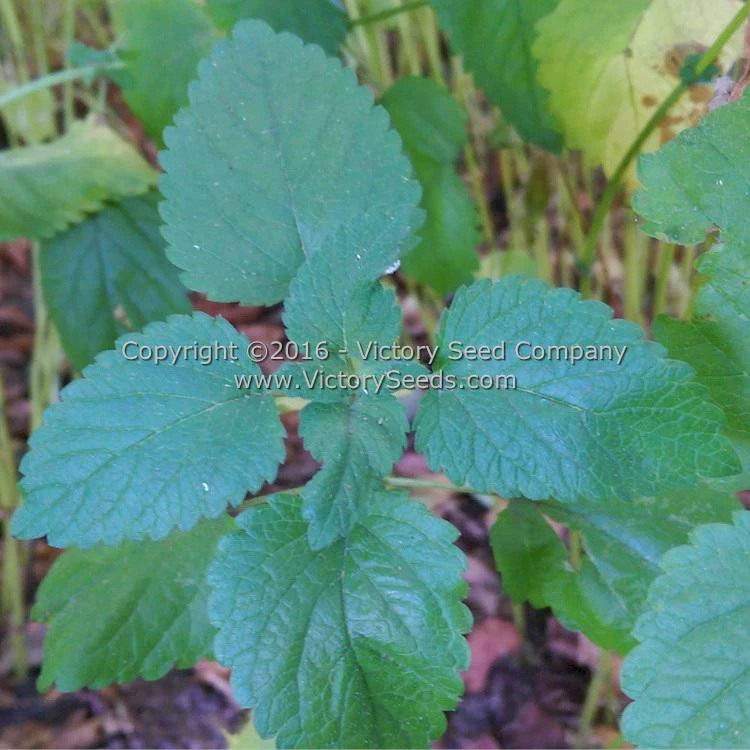
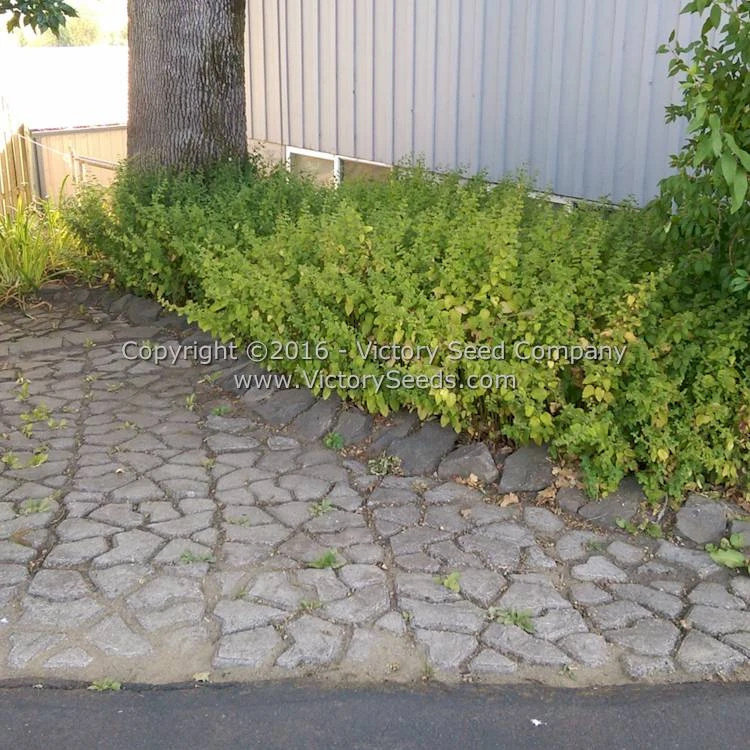
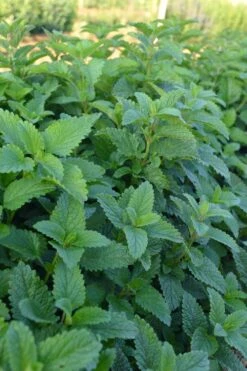
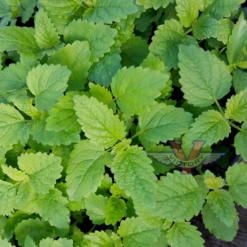
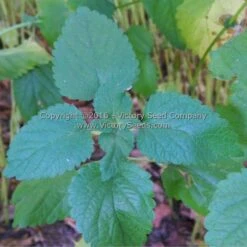
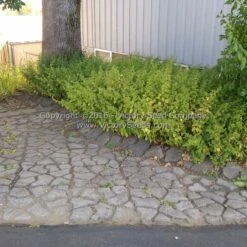
‘Lemon Balm’ is an ornamental plant that grows up to twenty-four inches tall and makes a really nice border along well-traveled walkways; brushing by the plants releases a wonderful lemony aroma into the air. It flowers from the late summer into early fall and attracts honey bees and other pollinating insects.
Also known as “Common” or “Sweet” balm, ‘Lemon Balm’ was used by the ancient Greeks and Romans, was introduced into Spain in the 7th century, from where it spread into Europe where it is documented as being domesticated and cultivated as early as the 1500s. Since it was an important plant in herb gardens, it was brought to North America with the earliest settlers and was documented as being grown at Monticello by Thomas Jefferson in his 1794 herb list.[3]
Lemon Balm is one of the ingredients included in the secret recipe of the protected “Spreewald Gherkins,” called Spreewälder Gurken or Spreewaldgurken in German, which are a specialty “pickle” from Brandenburg, Germany. Lemon Balm is used as a culinary ingredient to impart a light, lemony flavor to fruit dishes, candies, salads, pasta, fish, chicken, marinades and sauces.
A hardy perennial in USDA zones 4-9. Each packet contains 0.25 gram, which is approximately 450 seeds.
 Historically, a pleasant tasting tea was made from the leaves and used for its calmative and carminative properties.[1] Its calming and stimulating effects have been used to treat symptoms of nervousness, fainting, dizziness, irritability, fatigue, excitement, and depression.
‘Lemon Balm’ is the main ingredient of “Carmelite Water,” (“Eau de Carmes“) also referred to as “Melissa Water” (“Eau de Mélisse“), it is an alcoholic elixir that has been in constant production for hundreds of years and is still sold, primarily in pharmacies, as a comforting and invigorating tonic ideal for digestive problems, fatigue, hot flashes, stress, and motion sickness.
Modern studies indicate that hot water extracts (decoctions) have antiviral effects against mumps and herpes. Extracts are mildly sedative and so promise for treating anxiety and as a sleep aid. Because of this, Lemon Balm should be used cautiously when combining with sedative substances to avoid over sedation. Use caution when combining alcohol and Lemon Balm to minimize sleepiness. You should also exercise caution when driving or operating dangerous equipment.[4]
 The reported preferred temperature for vaporizing and aromatherapy is 288°F (142°C).
Be the first to review “Lemon Balm”
Related products
Sale!

Original price was: $12.00.$8.40Current price is: $8.40.
Sale!
Other
Original price was: $12.00.$8.40Current price is: $8.40.
Sale!
Original price was: $12.00.$8.40Current price is: $8.40.
Sale!
Other
Original price was: $12.00.$8.40Current price is: $8.40.
Sale!
Other
Original price was: $12.00.$8.40Current price is: $8.40.
Sale!
Original price was: $12.00.$8.40Current price is: $8.40.
Sale!
Other
Original price was: $12.00.$8.40Current price is: $8.40.
Sale!
Other
Original price was: $12.00.$8.40Current price is: $8.40.
Reviews
There are no reviews yet.